March 27, 2026
Last Passover
by Pastor Josh Czinger
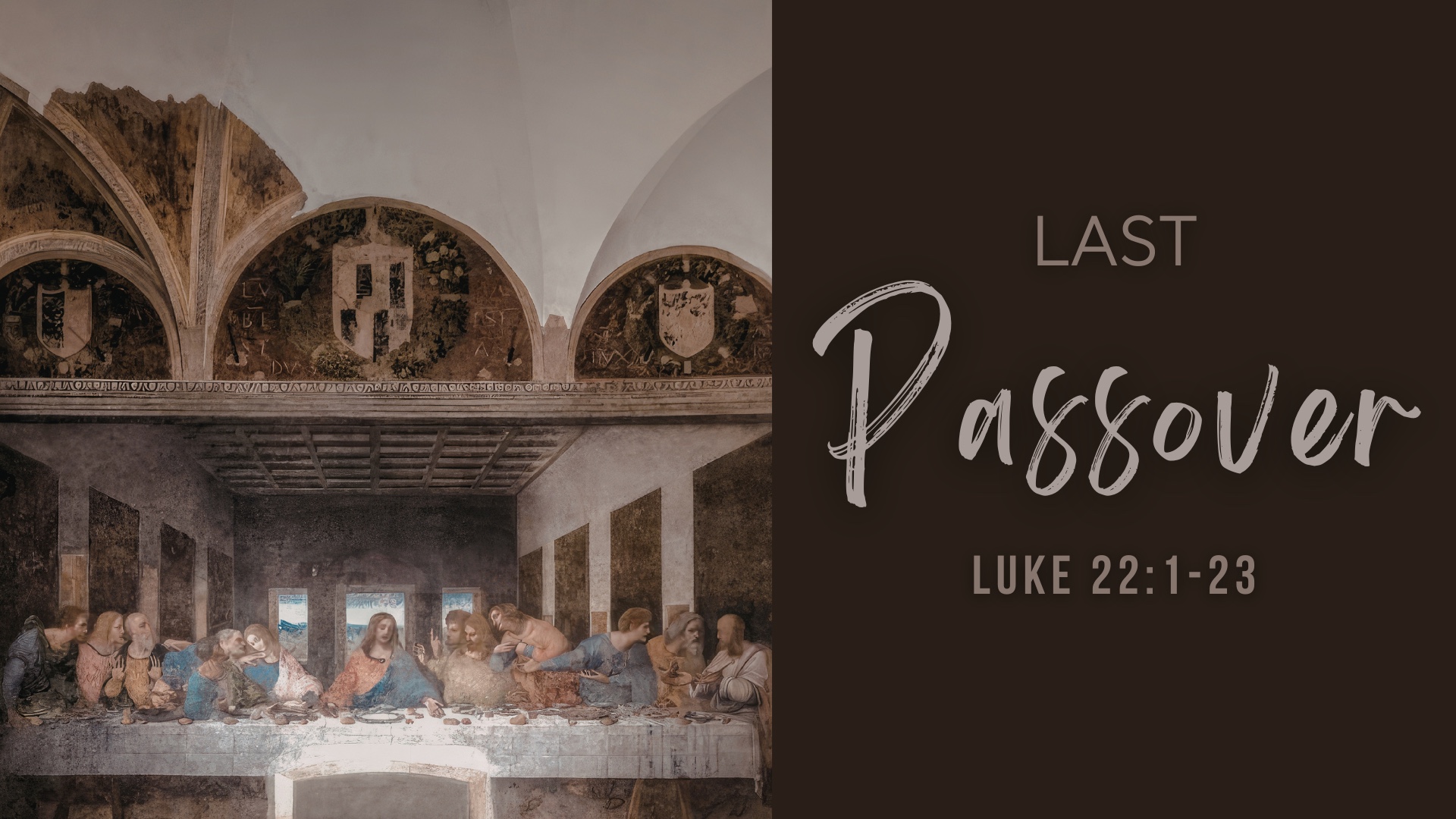
Luke 22 presents one of the most sacred and sorrowful moments in Jesus’s ministry. As Passover approaches and Jerusalem fills with crowds, the chief priests scheme to kill him while Judas moves toward betrayal. Yet Jesus remains unhurried and purposeful, meticulously preparing the meal with Peter and John.
Jesus transforms the traditional Passover observance by infusing it with new significance. The bread becomes symbolic of his sacrificial body, and the cup represents the new covenant sealed in his blood. Through these elements, Jesus positions himself as the fulfillment toward which Passover has always pointed.
The scene grows weightier with a striking detail: Judas remains at the table. Despite knowing of the impending betrayal, Jesus shares the meal with him—offering both bread and cup to the man who will soon hand him over.
This reveals something essential about Christ’s character. He loves not only faithful followers but also broken ones, extending grace amid confusion and weakness. All the disciples fail in this narrative: Judas betrays, Peter denies, others flee. Yet their outcomes diverge significantly. While each stumbles, only Judas isolates himself. Peter eventually returns to the source of healing, but Judas runs from it.
The passage teaches a crucial distinction: failure need not be final if it returns us to Jesus. Accusation, however, seeks to separate us through shame, convincing us we’ve exceeded mercy’s reach. Jesus, by contrast, remains steadfast—obedient to the cross, preparing the table, distributing grace.
The Last Passover ultimately reveals God’s nature: meeting broken people in broken spaces with covenant mercy.